Convection Microwave Repair
LG convection microwaves combine magnetron-based microwave cooking with true convection capability using heating elements and circulation fans. The convection system includes a 2,000-watt heating element positioned around the cavity perimeter and a rear-mounted fan distributing heated air evenly for baking and browning. Combination cooking modes alternate between microwave and convection functions, requiring synchronized control board programming. Common failures include convection fans seizing from bearing wear, heating elements developing open circuits from thermal cycling, and temperature sensors providing inaccurate readings causing improper cycling. The high-voltage microwave components—magnetron, capacitor, and diode—operate independently from convection systems, meaning one cooking method fails while the other works normally. See our LG oven and range repairs for full-size convection service.
Countertop Microwave Repair
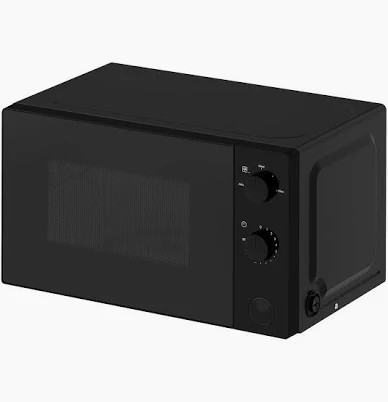
LG countertop microwaves remain the most accessible configuration for Texas kitchens, featuring self-contained units requiring only a standard 120-volt outlet. The high-voltage section transforms household current to the 4,000+ volts powering magnetron tubes—capacitors retain lethal charges even when unplugged, demanding proper discharge procedures. Door interlock switches (typically three per unit) prevent operation with doors open; failure of any switch causes complete shutdown or continuous running with the door open. Turntable motors rotating glass trays fail from worn gears or burned-out windings. Control panel membrane switches wear from repeated use, registering phantom touches or failing to respond. Magnetrons weakening over time produce progressively less heating power until food barely warms. Sparking inside the cavity indicates failing stirrer covers, damaged waveguide covers, or arcing from metal accidentally placed inside.
Built-In Microwave Repair
LG built-in microwaves integrate into wall cabinetry using trim kits that frame the unit for a seamless appearance in Texas kitchens. The trim kit consists of mounting brackets and decorative stainless steel or color-matched frames concealing gaps between the microwave and cabinet opening. Service access requires sliding the unit from the cabinet—some installations allow forward removal while others demand accessing rear mounting screws first. Built-in configurations share identical internal components with countertop models: the same magnetron, high-voltage transformer, capacitor, and diode circuitry. Heat dissipation differs critically—built-in ventilation paths through cabinet spaces must remain unobstructed or components overheat. Cabinet-mounted units experience additional vibration transfer causing loose trim pieces and door alignment issues over time. Proper reinstallation after service ensures trim kit alignment and secure mounting.
Over-the-Range Microwave Repair
LG over-the-range microwaves mount above cooking surfaces, combining microwave functionality with range ventilation—two appliances in one unit. The ventilation system includes a multi-speed blower motor, grease filters (aluminum mesh or charcoal for recirculating mode), and ducting connections for exterior exhaust. Cooktop lighting illuminates the cooking surface below using halogen bulbs or LED assemblies. Ventilation fans fail from motor bearing wear, grease infiltration into windings, or control board relay failures. Grease filters require monthly cleaning; clogged filters restrict airflow and force motors to work harder. The microwave section contains standard high-voltage components susceptible to the same failures as any microwave. Mounting brackets supporting 50+ pound units require secure attachment to wall studs and upper cabinet structures—improper mounting causes dangerous instability. Texas home sizes favor OTR configurations maximizing kitchen space efficiency.
Undercounter Microwave Repair
LG undercounter microwaves install within base cabinets, positioning the cooking cavity at waist height for ergonomic access—particularly beneficial in Texas kitchens designed for accessibility. Undercounter placement requires modified ventilation routing; exhaust typically exits through cabinet toe kicks or rear passages rather than upward. Trim kits frame the microwave within cabinet openings similar to built-in wall installations. The lower position changes service access—technicians work in confined spaces beneath counter overhangs. Internal components mirror standard microwaves: magnetron tubes generating microwaves, high-voltage transformers and capacitors, door interlock switches, and control boards. Undercounter units face unique challenges including proximity to water sources (dishwashers, sinks) creating humidity concerns and potential cabinet-transmitted vibrations. Door hinge stress differs from countertop units due to the opening angle and user interaction patterns at lower heights.
Smart Microwave Repair
LG ThinQ smart microwaves incorporate WiFi connectivity modules enabling smartphone control, scan-to-cook barcode reading, and voice assistant integration with Google Assistant and Amazon Alexa. The scan-to-cook feature reads food package barcodes through smartphone cameras, automatically downloading cooking instructions to the microwave. WiFi modules connect to home networks using 2.4GHz bands—5GHz networks are incompatible, causing pairing failures. Smart control boards integrate traditional microwave functions with network connectivity; firmware updates occasionally introduce bugs requiring manual resets. Smart diagnostics transmit error codes directly to smartphones, identifying magnetron output levels, door switch status, and temperature sensor readings. When smart features fail while cooking works normally, the WiFi module or antenna connection likely failed. Conversely, when cooking fails but app connectivity works, traditional high-voltage components require diagnosis separate from smart systems.
Microwave Drawer Repair
LG microwave drawers revolutionize microwave access using horizontal drawer mechanisms instead of traditional hinged doors—users load food from above rather than reaching inside. Heavy-duty drawer slides support the cooking cavity, drawer face, and glass turntable while enabling smooth operation. Multiple sensors detect drawer position: open, closed, and partially extended states trigger different responses. The drawer must reach fully closed position before cooking commences—misaligned sensors prevent operation entirely. Drawer slides accumulate grease and debris affecting smooth travel; worn slides create binding, uneven movement, or failure to fully close. Touch controls integrated into upper surfaces sense input through capacitive technology. The microwave components mount within the drawer assembly, traveling with each opening cycle—wiring harnesses flex repeatedly and eventually fail at connection points. Texas kitchen designers increasingly specify drawer configurations for contemporary aesthetics.
Wall Oven Combo Repair
LG microwave wall oven combos stack a microwave above a conventional or convection oven within a single tall cabinet cutout, maximizing cooking capability while minimizing floor space. Each section operates independently with separate heating systems—the microwave uses magnetron technology while the oven uses baking and broiling elements. Control interfaces may be shared on a single panel or separated, with communication ribbons connecting sections. When one section fails while the other works normally, the problem localizes to that specific section's components. Shared control boards managing both sections create single-point failures affecting entire units. Power distribution splits between sections—a 240-volt supply feeds the oven while 120-volt circuits power the microwave. Combo unit service requires diagnosing which section failed, then accessing components within the vertically stacked, cabinet-mounted configuration common in Texas kitchen designs.
Commercial Microwave Repair
LG commercial microwaves withstand continuous operation in restaurants, convenience stores, hospitals, and breakrooms across Texas—environments demanding rapid heating cycles throughout business hours. Commercial-grade magnetrons output 1,000 to 3,200 watts compared to residential 700-1,200 watt units, dramatically reducing cooking times. Heavy-duty door hinges, latches, and interlock switches endure thousands of daily open-close cycles. Stainless steel cavities resist staining and damage from commercial food service. Commercial units require proper ventilation clearances; restricted airflow causes magnetrons and transformers to overheat and fail prematurely. Programmable memory buttons store frequently-used cooking sequences, reducing operator training requirements. When commercial microwaves fail, businesses lose food service capability—diagnostic speed matters. Commercial-grade replacement parts differ from residential components; proper sourcing ensures durability matching original equipment specifications for continued heavy-duty operation.
Low Profile Microwave Repair
LG low profile microwaves reduce overall height by several inches compared to standard over-the-range units—fitting beneath shorter upper cabinets or above ranges with taller backsplashes. Despite reduced external dimensions, interior cavity sizes remain comparable through engineering optimizations relocating components. Ventilation systems adapt to the compressed form factor; blower housings and duct pathways fit within tighter spaces. The reduced height positions ventilation intakes closer to cooking surfaces below, potentially improving grease capture efficiency. Internal component layouts differ from standard OTR units—magnetrons, transformers, and control boards occupy reconfigured positions. Service access points change accordingly; familiar component locations in standard units appear elsewhere in low profile configurations. Mounting requirements remain stringent—low profile units still weigh 40-50 pounds and require proper wall stud and cabinet attachment for safe installation above cooking surfaces.
Compact & Solo Microwave Repair
LG compact microwaves serve Texas apartments, dorm rooms, offices, RVs, and secondary kitchen locations where space limitations prohibit full-size units. Compact models typically output 600-900 watts using smaller magnetron tubes than full-size units, resulting in longer cooking times but adequate performance for single servings. Simplified control panels offer basic power levels and timer functions without advanced programming features. Smaller turntables accommodate standard dinner plates but struggle with larger cookware. Despite reduced size, compact microwaves contain the same high-voltage components as larger units—magnetrons, capacitors, diodes, and door interlock switches all require identical safety precautions during service. Compact units prove particularly susceptible to overheating when ventilation openings become blocked in tight installation spaces. The smaller cavities accumulate food splatter quickly; regular cleaning prevents interior damage and maintains proper microwave function.